

A Caregiver Discharge Guide by Paradigm Homecare Inc.
The first 72 hours after leaving the hospital are often the most challenging part of recovery. At Paradigm Homecare Inc., we know that leaving the hospital is not the end of care. It marks the start of healing at home. We work closely with families to make sure the transition is safe, help prevent unnecessary readmissions, and give caregivers the support and guidance they need
Why the Transition Period Matters
Research shows that nearly 1 in 5 Medicare patients are readmitted within 30 days of discharge (CMS, 2023). Many readmissions occur due to:
- Medication errors
- Poor symptom monitoring
- Falls
- Missed follow-up appointments
- Inadequate caregiver support
A safe recovery takes planning, careful monitoring, and steady support. Here are some important steps to help your loved one leave the hospital smoothly and recover safely at home.
Step 1: Before Leaving the Hospital – Make Sure You Understand
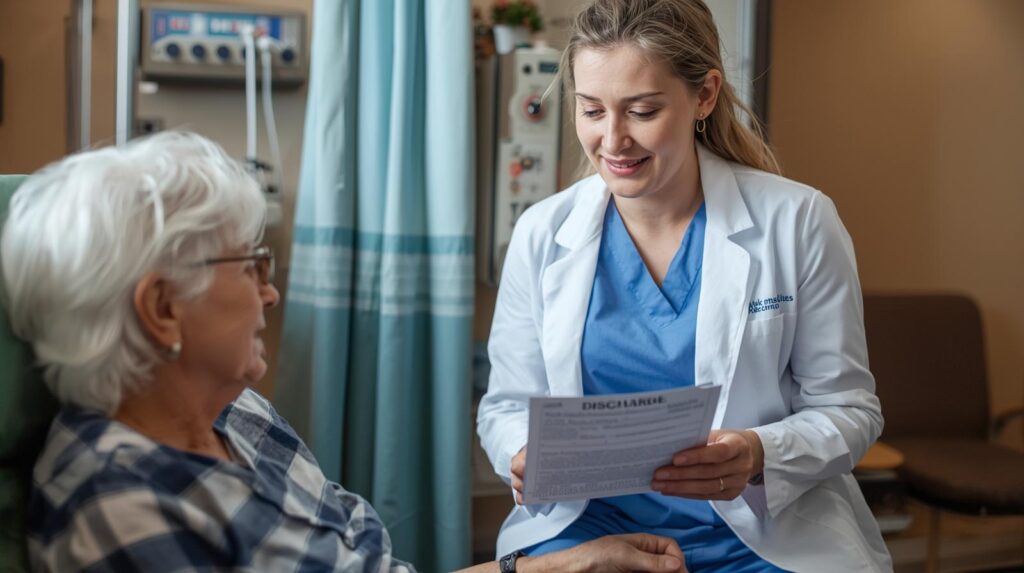
This step is very important. Be sure you understand the following:
- The diagnosis and expected recovery timeline
- Warning signs that require urgent care
- Medication changes (new, discontinued, adjusted doses)
- Scheduled follow-up appointments
- Where to locate provider contact information
Ask for a printed discharge summary and a list of medications before you leave. Most hospitals or care facilities provide these when you are discharged.
Paradigm Tip: Keep all discharge paperwork in a safe and easy-to-find place. Bring these documents to your first home visit so our team can go over the instructions with you.
Step 2: Prepare the Home Environment
Making the home safe helps lower the risk of going back to the hospital. So you want to make sure to take the follow precautions:
- Remove loose rugs and clutter.
- Ensure proper lighting
- Install grab bars if needed.
- Install toilet seat extenders if needed.
- Ensure the patient has nonskid footwear that fits comfortably.
- Ensure the patient’s bed or sleep surface is not too high from the ground or adjustable to reduce fall risk.
- Check that any needed medical equipment can be delivered before your loved one leaves the hospital.
- Prepare a safe sleeping space.
- Make sure there is enough healthy food at home to support healing. Ask the patient’s provider if there are any foods to avoid or special diet needs before leaving the hospital.
Paradigm caregivers check the home for safety risks right away when care begins to help prevent falls.
Step 3: The First 72 Hours at Home
This is the time when risks are highest. Caregivers should pay close attention and watch for any signs that mean you should call the provider or get more help.
Monitor for:
- Fever
- Shortness of breath
- Increased swelling
- Confusion
- Worsening pain
- Sudden weight gain (heart failure patients)
- Blood sugar instability
If something does not seem right, call the provider. Trust your instincts.
Step 4: Medication Safety
Medication mistakes are a common reason people end up back in the hospital (AHRQ, 2023). It is very important for caregivers and patients to know which medicines they are taking and how to take them correctly.
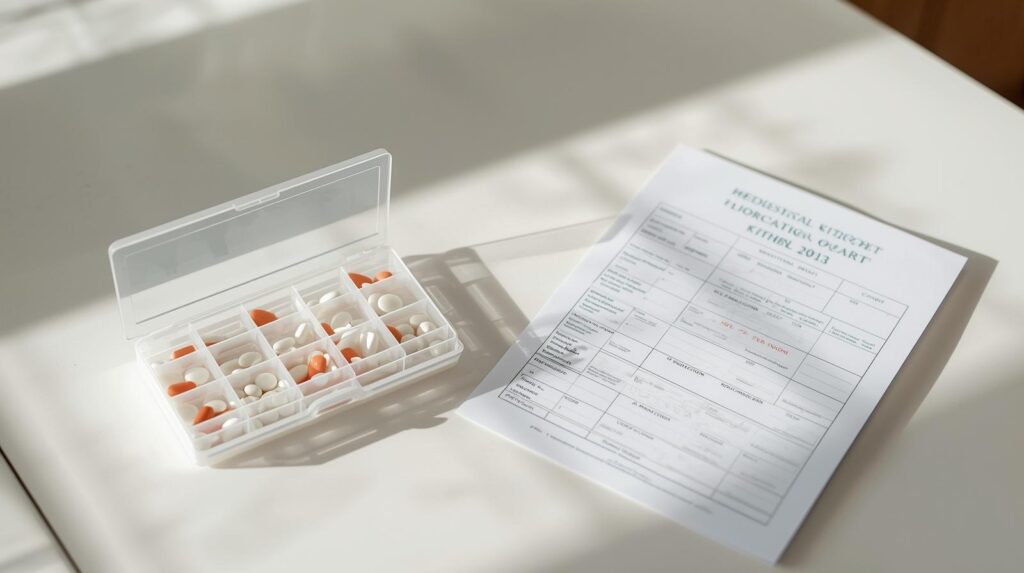
Best practices:
- Use a pill organizer.
- Keep a chart that lists each medicine, what it is for, when to take it, and how to take it.
- Set reminders
- Monitor for side effects and communicate with your provider.
Paradigm caregivers can help with medication reminders and keep an eye out for any problems. Our skilled nurses also help manage medications.
Step 5: Prevent Falls
Falls are a leading cause of people returning to the emergency room after leaving the hospital. After a hospital stay, people are often weaker and more tired than usual. This physical state makes them more prone to falls. However, caregivers can take precautions to reduce the risk of falls.
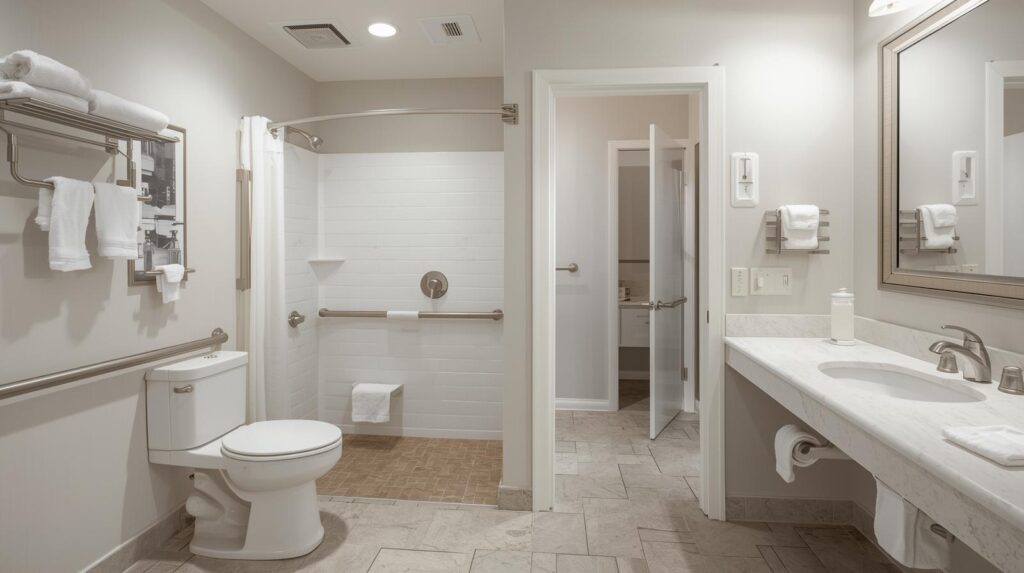
Caregivers can reduce fall risk by:
- Supervising ambulation
- Encouraging slow position changes
- Ensuring proper footwear
- Allowing rest periods
- Ensure proper lighting
- Ensure ambulation areas are clutter-free.
Step 6: Know When to Call 911
This step is very important because acting quickly can save your loved one’s life. Call emergency services right away if you notice any of the following:
- Chest pain
- Severe shortness of breath
- Sudden weakness or slurred speech
- Unresponsiveness
- Uncontrolled bleeding
If you are unsure, it is better to act fast.
You Are Not Meant To Do This Alone
Caregiver burnout is a real and well-known problem (WHO, 2021). Feeling tired, stressed, or overwhelmed can affect both the caregiver’s health and the patient’s recovery.
Professional homecare support provides:
- Personal care assistance
- Mobility support
- Meal preparation
- Transportation
- Companionship
- Early symptom monitoring
- Virtual monitoring technology services
- Skilled nursing care services
Paradigm Homecare Inc. works together with hospitals, doctors, and families to make sure care continues smoothly after discharge.
Our Commitment to Families
At Paradigm Homecare Inc., we believe that families should feel supported during transitions, not overwhelmed.
Shifting Our Focus To Quality, Comfort, And Care to ensure a smooth transition to home is one of our top priorities.
If your loved one is about to leave the hospital or has just come home, our team is here to help make sure recovery is safe and smooth.
Contact Paradigm Homecare Inc. today to talk about how we can support you during the transition home.
References
Agency for Healthcare Research and Quality (AHRQ). (2023). Care transitions from hospital to home: Strategies to reduce readmissions.
Centers for Medicare & Medicaid Services (CMS). (2023). Hospital Readmissions Reduction Program (HRRP).
Naylor, M. D., et al. (2018). Transitional care interventions and hospital readmission reduction. Journal of the American Geriatrics Society, 66(2), 369–374.
World Health Organization. (2021). Supporting informal caregivers of older people.
If your loved one is preparing to leave the hospital — or has just returned home — you don’t have to manage everything alone.
The first few days after discharge are critical. Having professional home care support can help prevent readmissions, reduce stress, and ensure a safe recovery.
Paradigm Homecare Inc. is here to help.
Our team provides:
- Personal care assistance
- Medication support
- Mobility and fall prevention support
- Skilled nursing services
- Virtual monitoring services
- Ongoing communication with providers
If someone you care about needs professional support during the transition from hospital to home, contact us today.
📞 Call: 336-524-6021
📧 Email: care@paradigmhcinc.com
Let’s work together to make recovery safe, smooth, and supported.