

Caregiving is an act of compassion, commitment, and love, but it can also be physically and emotionally overwhelming. As a Registered Nurse, I often meet family caregivers who are devoted to their loved ones but quietly struggling. Caregiver burnout happens when the demands of caregiving regularly exceed what someone can handle. This is not a personal failure; it is a normal response to ongoing stress. Noticing burnout early helps protect both the caregiver’s health and the quality of care they give.
How Burnout Develops
Family caregivers often help older adults, people with dementia, those with chronic illnesses, or those with physical limitations, and they usually do this without formal training or breaks.
According to the Centers for Disease Control and Prevention, informal caregivers are more likely to experience depression, anxiety, sleep problems, and chronic health issues like high blood pressure and heart disease.
If stress is not managed, it can lead to serious health problems, make caregiving harder, and cause burnout. Burnout usually develops slowly. As a nurse, I see these five signs as the most common and important to watch for:
- Persistent physical and emotional exhaustion
Caregivers may feel tired even after resting and often report low energy, body aches, headaches, or more frequent illness. This kind of exhaustion is a sign of long-term stress and should not be ignored. - Irritability, mood changes, or emotional withdrawal
It is common to feel more frustrated, sad, anxious, or emotionally numb. Caregivers might pull away from friends and family or lose interest in activities they once enjoyed. - Sleep disturbances
Having trouble falling asleep, staying asleep, or not feeling rested after sleep is a key sign of burnout. Poor sleep can make it even harder to focus, feel good, and stay healthy. - Feelings of overwhelm, guilt, or resentment
Many caregivers feel guilty for wanting a break or resentful about always being responsible. These feelings are normal, even if people try to hide them. They are signs of emotional overload. - Neglect of personal health and needs
Missing medical appointments, eating poorly, being less active, and ignoring your own health are clear signs that caregiving is taking over.
Research in The Gerontologist and Psychological Bulletin shows that ongoing caregiver stress is linked to higher inflammation, weaker immune function, and greater risk for heart problems. This supports a key nursing idea: caregiver burnout affects both emotions and the body in real, measurable ways.
Why Burnout Happens
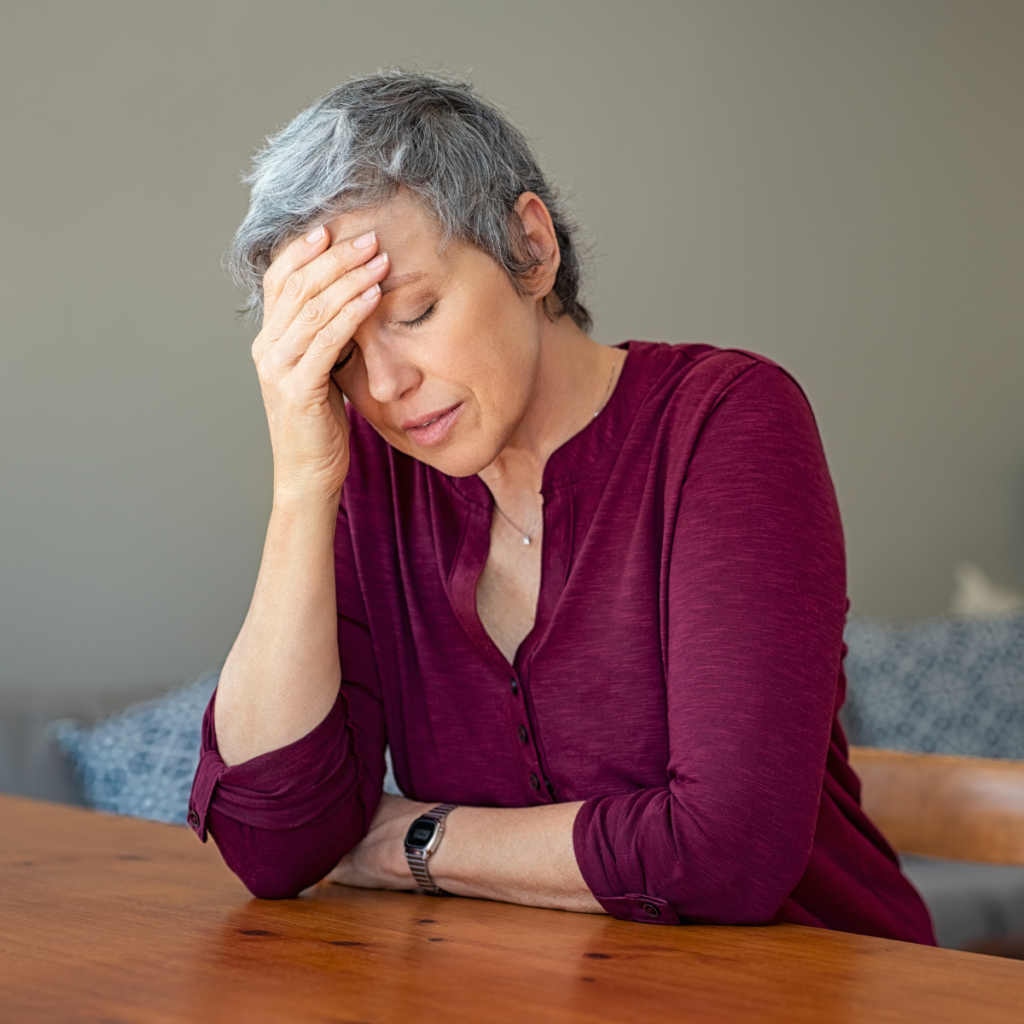
Many things can lead to caregiver burnout. One of the biggest reasons is not getting breaks or respite, which are short periods of rest from difficult tasks. Many caregivers feel they cannot take time off or worry that asking for help means they have failed. Money problems, especially when caregiving affects work, add more stress. Taking care of people with dementia or challenging behaviors, like agitation, wandering, or sleep problems, can make emotional exhaustion happen faster.
The World Health Organization points out that caregiver stress is not just about how hard the care tasks are. Feeling alone and not having enough support from the health system also makes things harder. When caregivers are left out of care planning or do not get enough information about the illness, daily stress and worry can grow.
The Role of Support and Home-Based Services
Caregiver burnout can be prevented when recognized and managed early. Planned breaks or respite care services give caregivers time to rest, attend their own medical appointments, or simply take time for themselves. Learning about the illness, how to manage symptoms, and what to expect helps caregivers feel more confident and less anxious. When caregivers know what is coming, they can respond with confidence instead of fear or frustration.
Professional home-based services help share the work of caregiving. In-home caregivers, nurses, and virtual monitoring can provide supervision, safety, and steady care, giving families a break from always being on alert. This shared approach protects the caregiver’s health and helps the person receiving care by reducing medication errors, preventing falls, and lowering the risk of unnecessary hospital visits.
The Journal of the American Geriatrics Society reports that caregivers who use formal support services have less stress, better moods, and improved physical health. People receiving care also benefit from better safety, more consistent care, and a higher quality of life.
Caregiver Support Makes Caregiving Stronger
Caregiving should not mean giving up your own health. With the right support, information, and help from home-based services, caregivers can stay strong, keep their dignity, and feel well. This benefits both the caregiver and their loved ones.

At Paradigm Homecare Inc., we believe caregivers deserve the same level of care and attention as the individuals they support. Our respite care services are designed to give family caregivers intentional time to rest, recover, and tend to their own health—without guilt or disruption in their loved one’s care. Whether families need short-term relief, scheduled breaks, or backup support during life transitions, respite care restores balance and prevents burnout before it becomes a crisis.
In addition, Paradigm offers virtual in-home monitoring services for families seeking peace of mind through advanced, non-intrusive technology. Virtual monitoring enhances safety by providing real-time oversight, wellness tracking, and alerts—allowing caregivers to step away, sleep through the night, or manage competing responsibilities while remaining connected. This hybrid model of human care and smart technology supports clients' independence while reducing the need for constant vigilance from families.
Caregiving should not come at the cost of your health, identity, or well-being. If you recognize the signs of burnout—either in yourself or someone you love—support is not only available, it is essential. Paradigm Homecare Inc. is committed to helping families create a care plan that protects both the patient and the caregiver, because the best care happens when no one is carrying the load alone.
You Don’t Have to Do This Alone
If this article resonated with you, it may be time to explore support that protects both your loved one and your own well-being.
At Paradigm Homecare Inc., we specialize in respite care, home care, and virtual in-home monitoring solutions that ease caregiver stress while enhancing safety, independence, and the continuity of care at home.
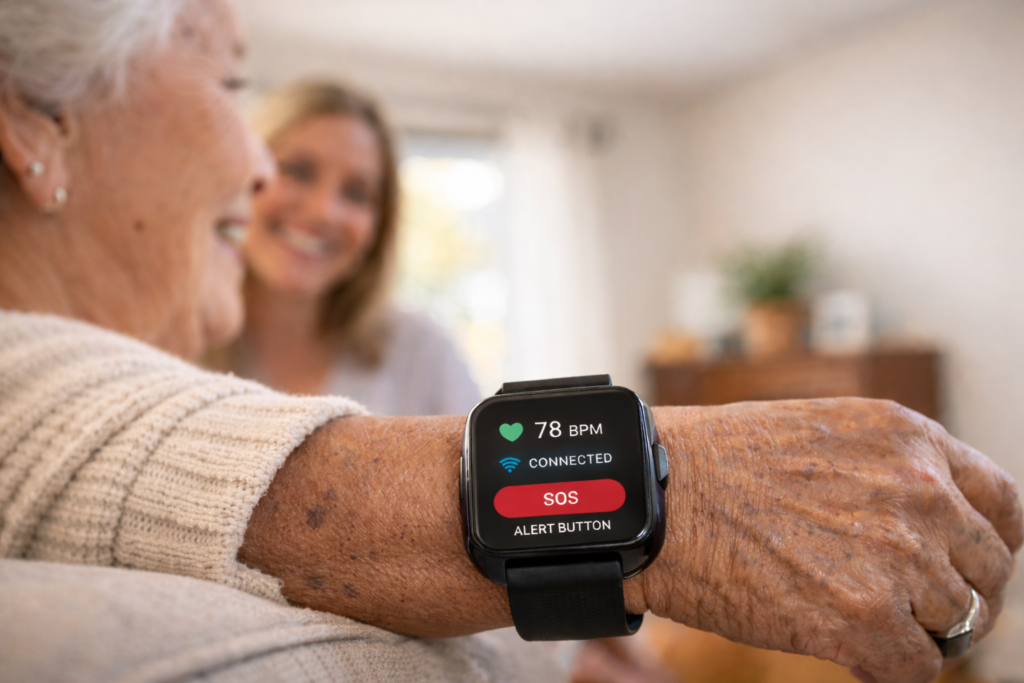
Our respite care services provide reliable, customized, compassionate support—whether you need a few hours to rest, consistent scheduled relief, or temporary coverage during life transitions. Our virtual monitoring services add an extra layer of reassurance through discreet, technology-enabled oversight that helps families stay connected without constant hands-on supervision.
Caregiving should be sustainable—not overwhelming. Let us help you create a care plan that supports your loved one while giving you the space to breathe.
👉 Learn how Paradigm Homecare Inc can support your family with respite care, home care and virtual monitoring services.
Paradigm Homecare Inc.
Shifting Our Focus To Quality, Comfort, And Care.
References
Adelman, R. D., Tmanova, L. L., Delgado, D., Dion, S., & Lachs, M. S. (2014). Caregiver burden: A clinical review. JAMA, 311(10), 1052–1060. https://doi.org/10.1001/jama.2014.304
Schulz, R., & Sherwood, P. R. (2008). Physical and mental health effects of family caregiving. The American Journal of Nursing, 108(9 Suppl), 23–27. https://doi.org/10.1097/01.NAJ.0000336406.45248.4c
Vitaliano, P. P., Zhang, J., & Scanlan, J. M. (2003). Is caregiving hazardous to one’s physical health? A meta-analysis. Psychological Bulletin, 129(6), 946–972. https://doi.org/10.1037/0033-2909.129.6.946
World Health Organization. (2021). Supporting informal caregivers of older people. WHO Press.